What to Do First After You Get Engaged
(Wedding Stationery Edition)
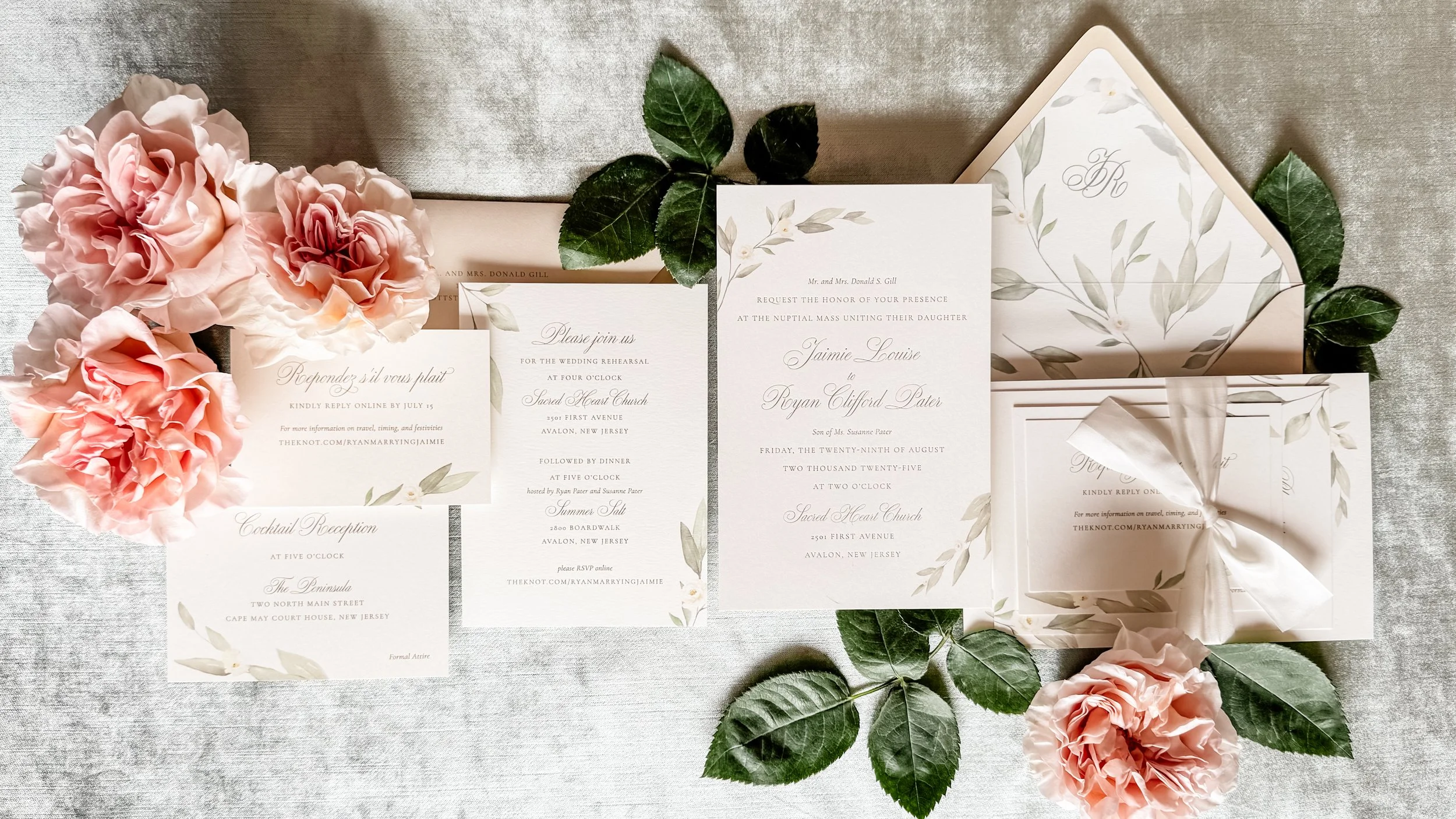
Getting engaged is exciting—and often a little disorienting. One moment you’re celebrating, and the next everyone wants to know where and when, giving a lot of unsolicited advice, and you’re left wondering what actually needs to happen first.
When it comes to wedding stationery, there’s a lot of noise out there. Timelines, trends, opinions. It’s easy to feel like you should already be making decisions, even if you’re not quite sure what those decisions are yet. The good news: you don’t need to rush. Thoughtful wedding stationery comes from clarity, not urgency. You don’t need to design everything at once.
One of the most common misconceptions I see is that wedding stationery is a single decision that needs to be made early and all at once. In reality, it’s a journey—one that unfolds in stages.
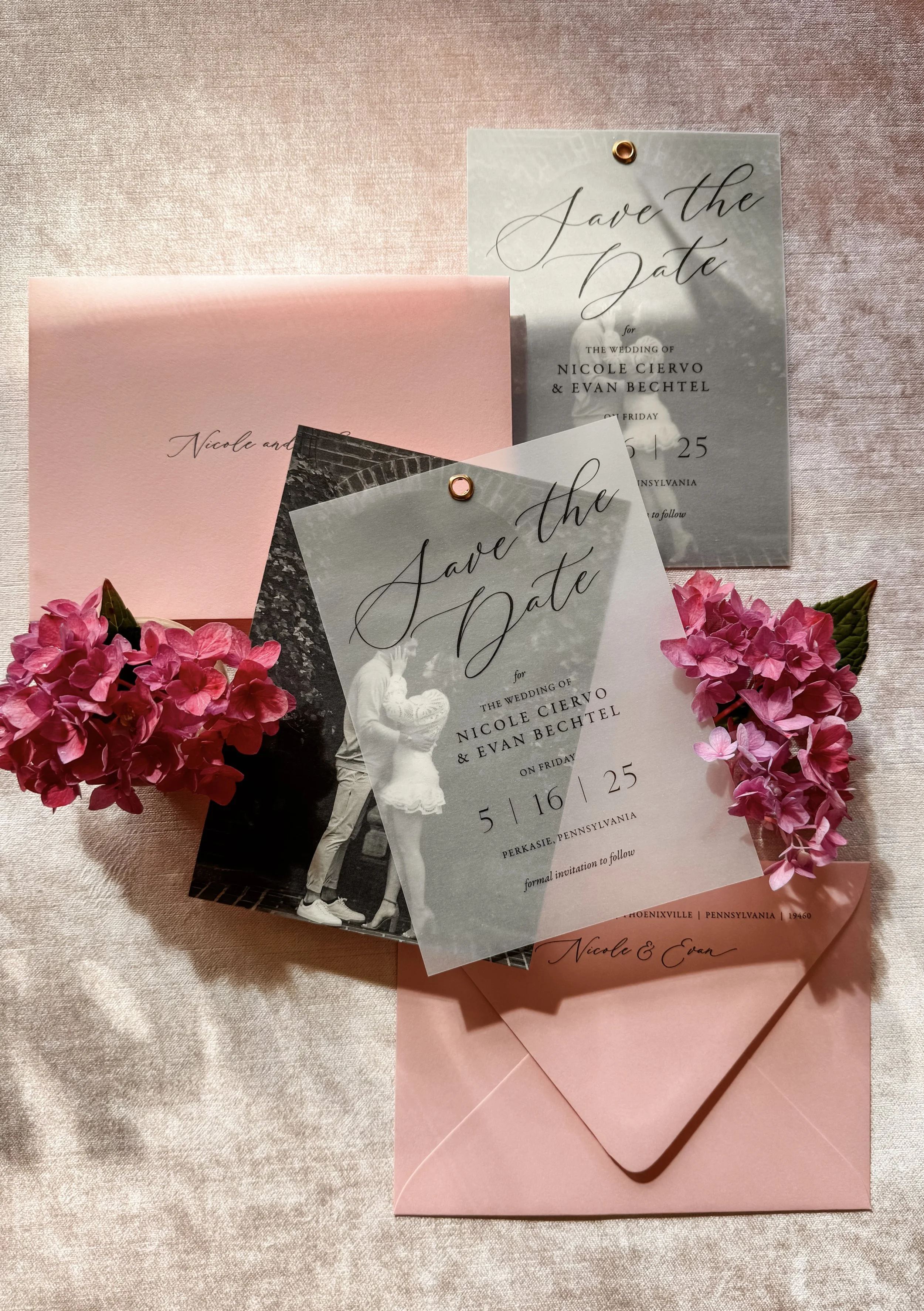
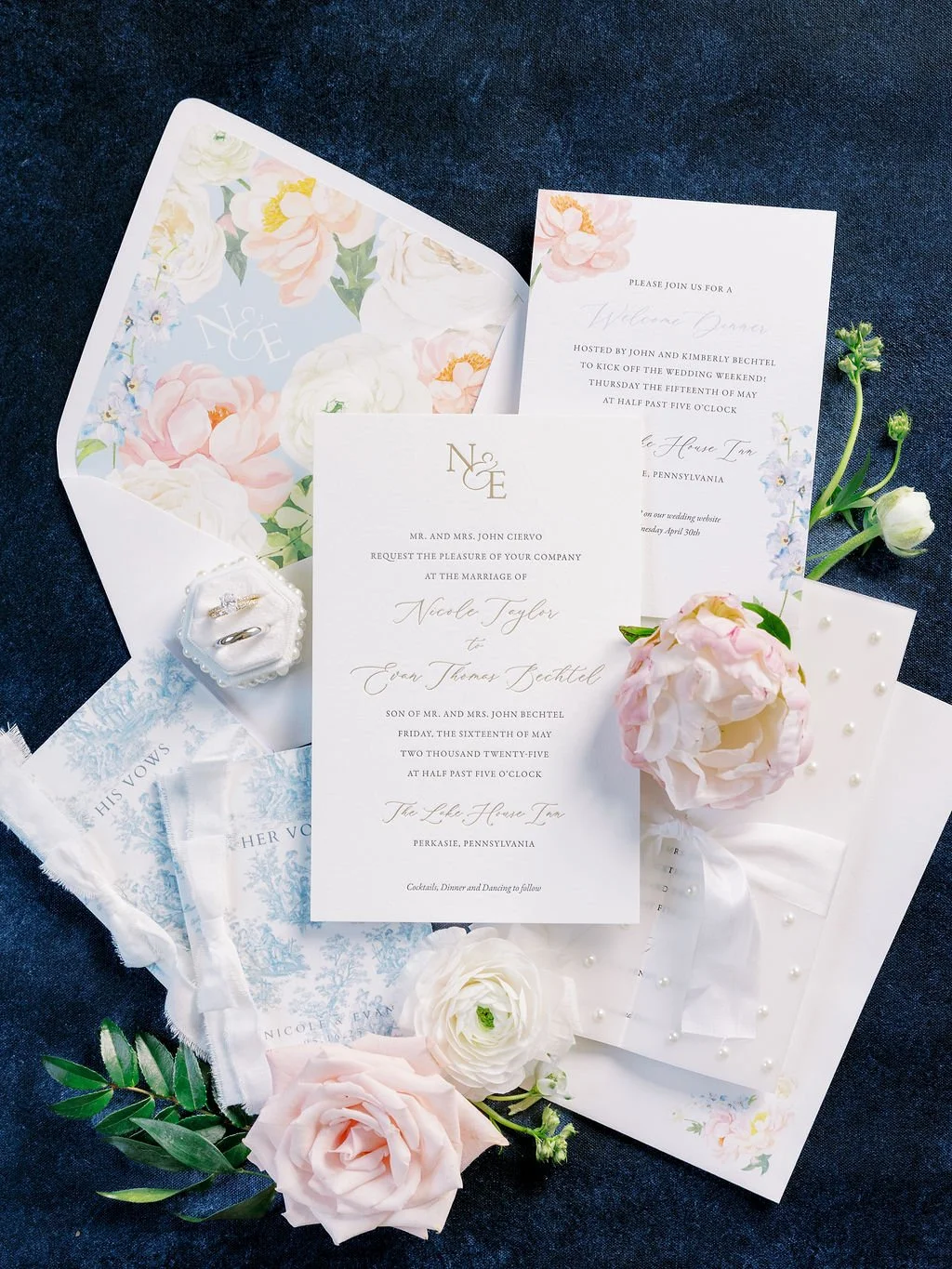
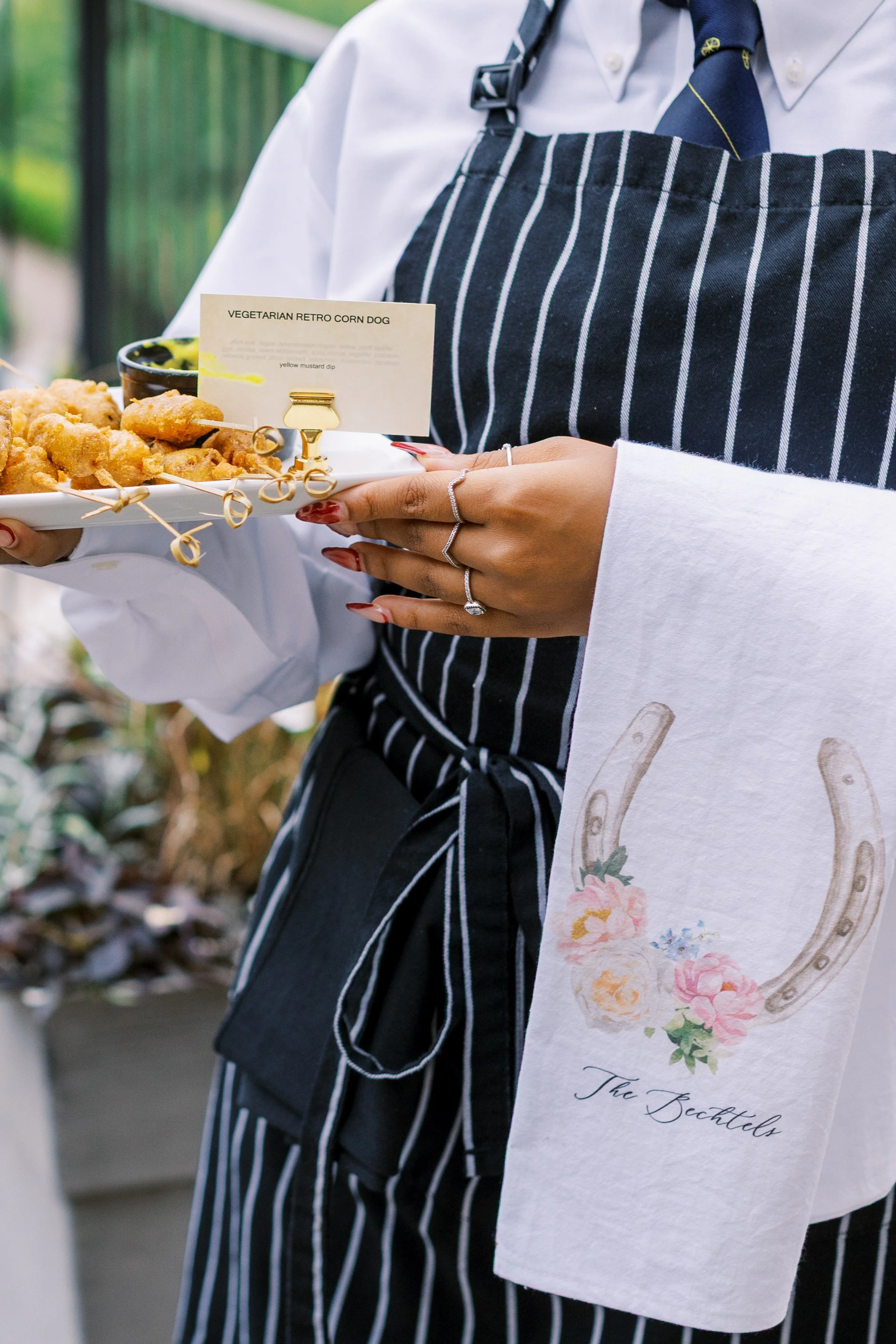
At a high level, wedding stationery typically falls into three phases:
• Save the Dates
• Invitations
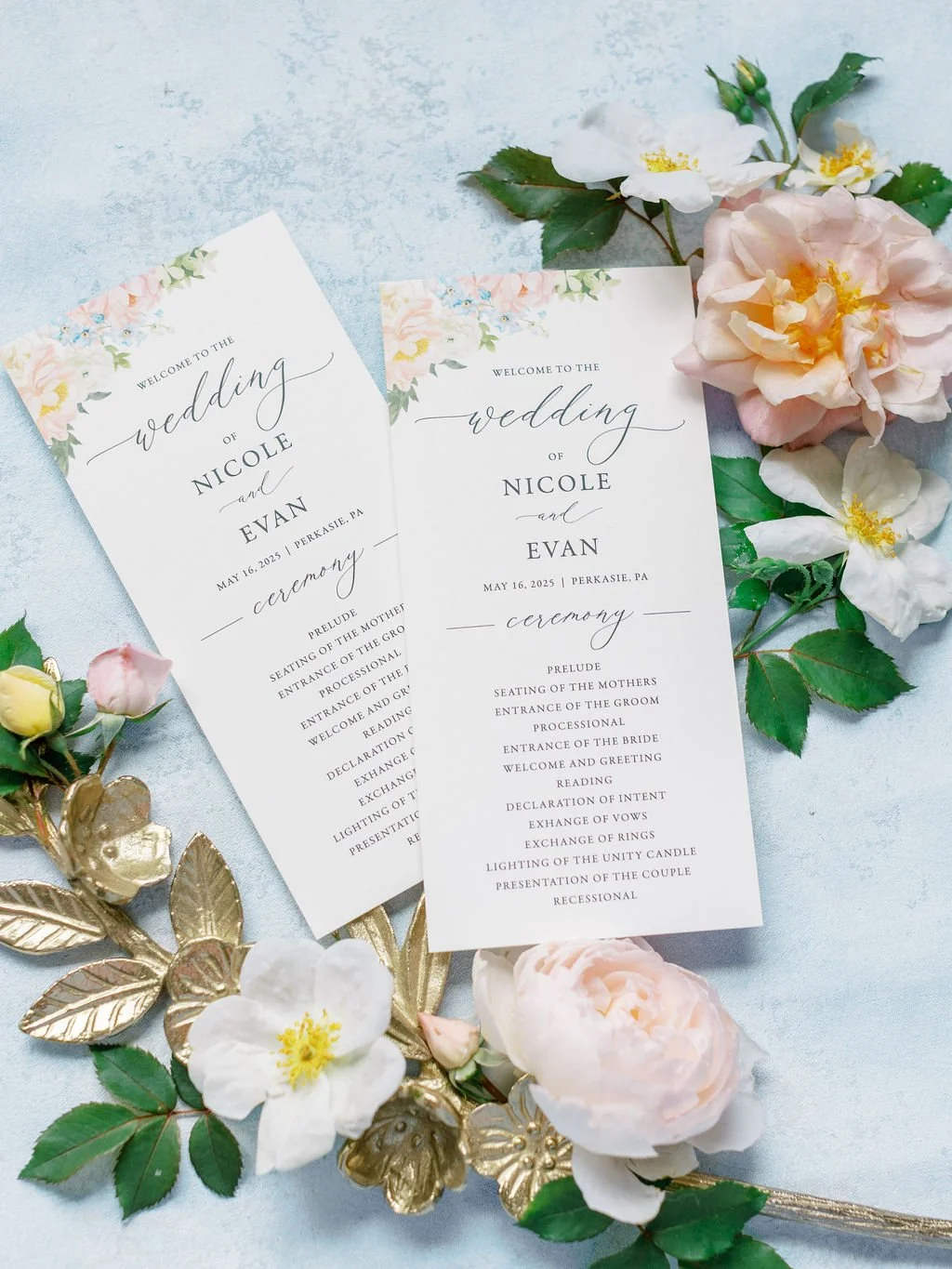
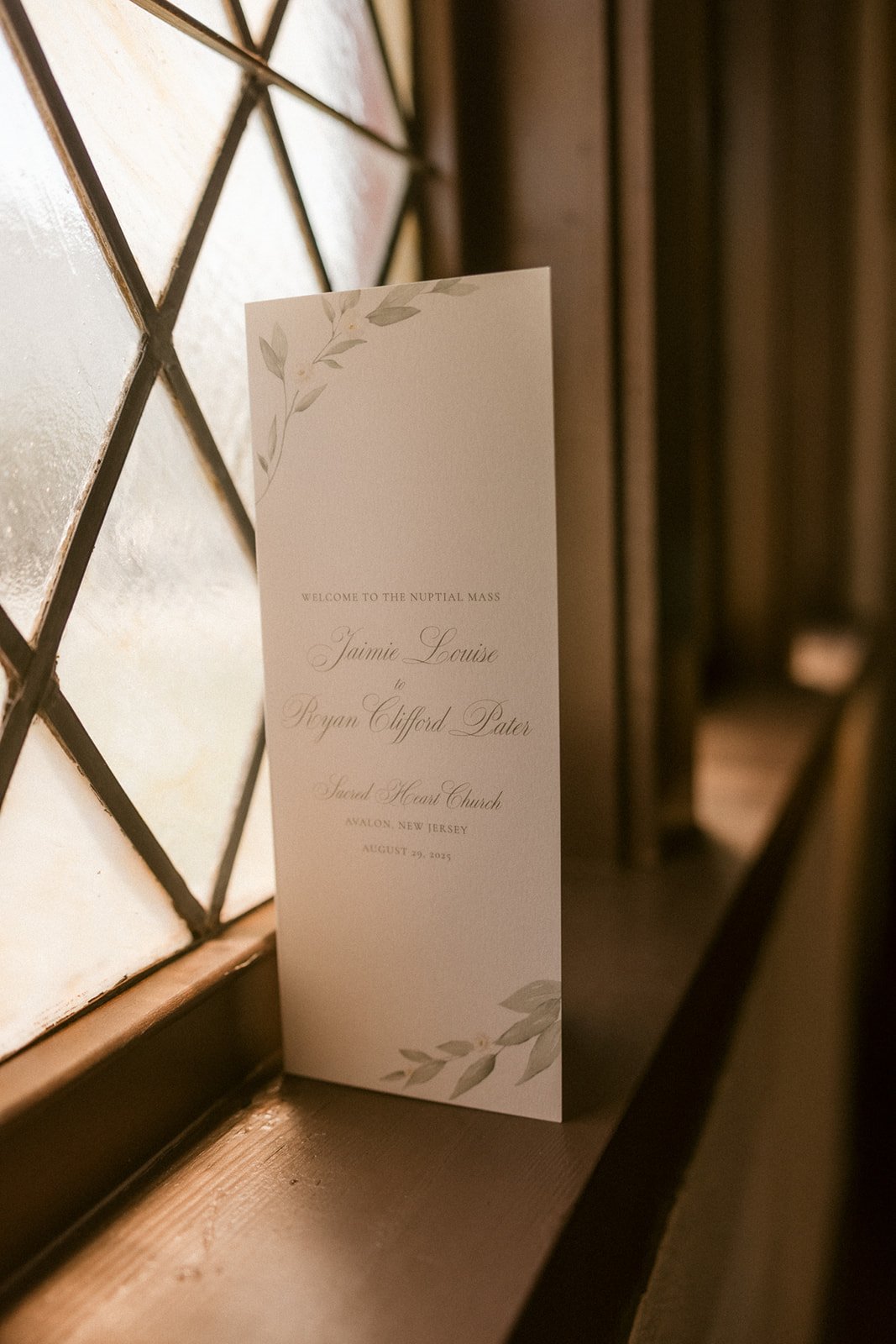
• Day-of paper (programs, menus, escort cards, signage, etc.)
Thinking about stationery this way immediately removes pressure. You’re not trying to solve everything upfront—you’re simply laying the groundwork for a cohesive paper story that will develop over time.
Start with the feeling, not the paper.
Before fonts, colors, or print methods, the most helpful place to begin is with how you want your wedding to feel -
Calm and intimate. Joyful and celebratory. Elegant but not fussy. Warm and welcoming.
Your stationery is often the first tangible experience your guests will have with your wedding. It quietly sets expectations and begins to tell the story of what’s to come. When you anchor decisions in feeling rather than aesthetics alone, everything else tends to fall into place more naturally.
A gentle overview of the stationery journey
Save the Dates are often the first signal. They set the tone and give guests time to plan, especially for destination weddings or busy seasons.
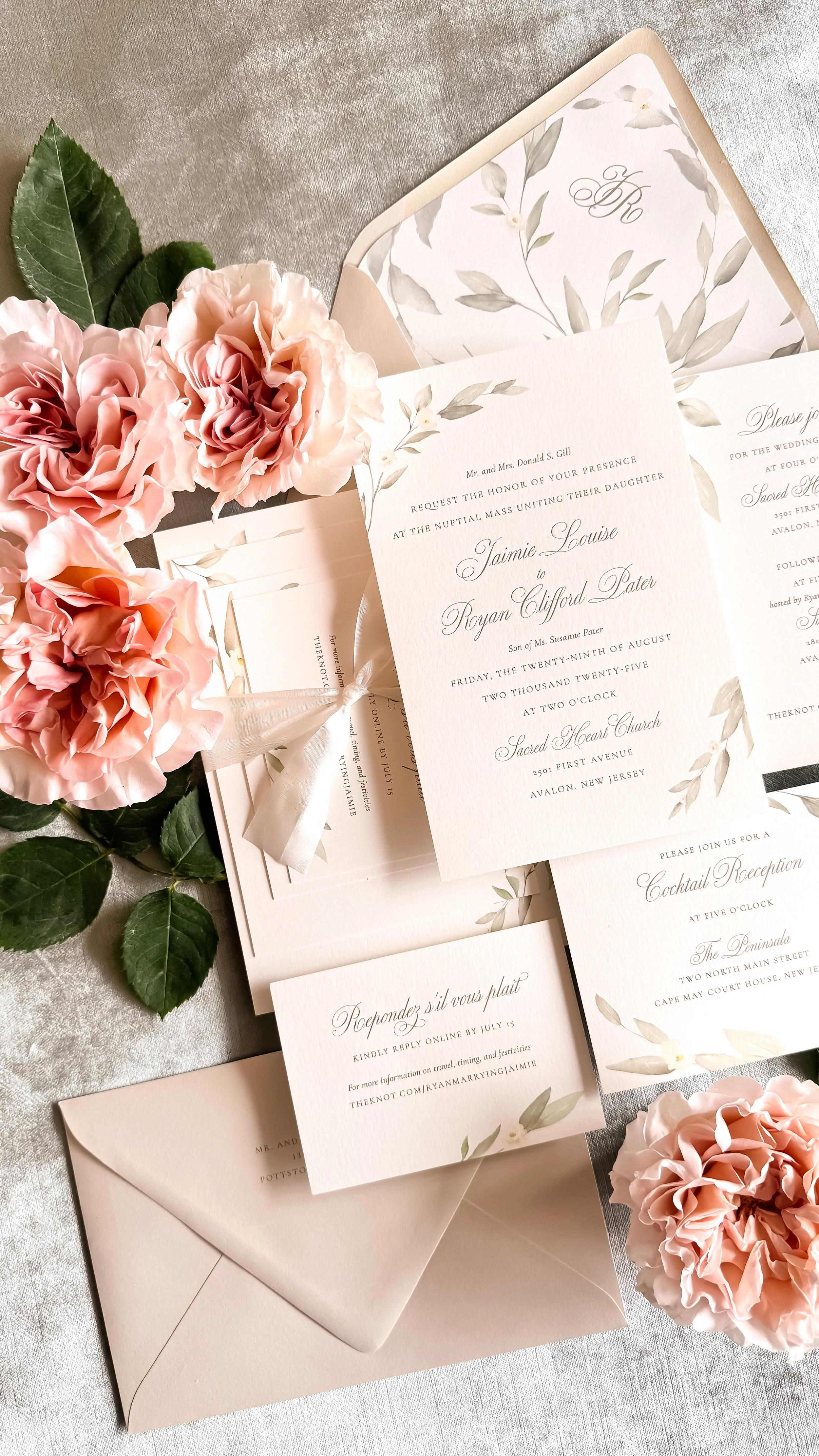
Invitations are the heart of the paper suite. This is where the design, materials, and details come together most fully—and where many couples choose to invest both creatively and emotionally.
Day-of details are where cohesion really shines. These pieces support the flow of the day and reinforce the design story you’ve already established, creating a sense of thoughtfulness and continuity for your guests.
Seeing the full arc early helps you make better decisions at each stage, without overcommitting too soon.
A pro tip I always share early on…
When thinking about your wedding stationery, consider each step of the journey—Save the Dates, invitations, and day-of details. Allocating your budget across these sections helps ensure every element fits your vision, rather than spending everything upfront and feeling constrained later.
Wedding plans naturally evolve. Leaving room for flexibility allows your stationery to evolve with them, instead of locking you into decisions before the full picture is clear.
What can wait (and why that’s okay)
Another reassuring truth: you don’t need to have everything figured out right now.
You don’t need your final guest count.
You don’t need perfectly polished wording.
You don’t need to know every detail of the day.
Those things come with time—and good stationery design anticipates that. A thoughtful process leaves space for refinement, rather than forcing decisions before they’re ready to be made.
When it’s helpful to bring in a stationer
For many couples, an early conversation with a stationer isn’t about committing to design—it’s about gaining clarity:
Understanding what comes when. Learning what options exist. Avoiding common missteps that can cause stress later on.
Even a simple, design-forward conversation can help you feel grounded and confident as you move forward, knowing there’s a plan that supports both your vision and your timeline.
A calm next step
If you’re newly engaged, the most important first step is giving yourself permission to slow down.
Wedding stationery isn’t about checking a box. It’s about setting the tone, welcoming your guests, and creating something that feels aligned with who you are and how you want your wedding to be experienced.
Everything else can follow—thoughtfully, intentionally, and in its own time.
When you’re ready, I’m here to help!
Please don’t hesitate to reach out to amy@stonehillpaperie.com with any quick questions.
Or want to explore working together? Schedule a quick phone call to see if Stone Hill Paperie is the right fit for you and your wedding stationery.